Dining Through the Chesapeake Country All-American Road
Sometimes in life, it’s best to start with dessert.
Picture yourself on a remote, history-laden island in the middle of the Chesapeake Bay. The boat ride out takes about 40 minutes, full of sunlit water and wide-open sky. On Smith Island, old-school workboats rumble from the harbor before dawn. Narrow streets invite unhurried strolls. Waterfront views stretch in every direction. Kayakers glide through quiet creeks.
You’ll work up an appetite.
At a down-home restaurant, order a slice of Smith Island Cake. It looks almost like abstract art—twenty or so thin layers in precise alternation: cake, icing, cake, icing. The classic version stacks yellow cake and chocolate frosting, though brighter flavors have found their place in recent years.
No one knows exactly when the cake was invented, but folklore ties it to the island’s oystering heritage. Wives baked the multi-layered cakes for husbands heading out on weeklong work trips. The extra icing helped preserve moisture; the sugar provided needed energy. In the 1980s, Frances Kitching’s cookbook introduced the dessert to a wider audience, and today Smith Island Cake is Maryland’s official state dessert. One forkful tastes like the sweetest childhood memory.
This slice of Chesapeake heaven is just the beginning.
The Beach to Bay Heritage Area stretches from the Chesapeake Bay to Ocean City’s famed boardwalk. Between them lie farmland, forests, winding rivers, and historic small towns—each contributing its own flavor to the region’s culinary story.
Consider the Chesapeake blue crab, immortalized in William Warner’s Beautiful Swimmers. Crisfield claims the title “Crab Capital of the World,” but crabs are celebrated throughout the Lower Eastern Shore. Enjoy them steamed and spiced on paper-covered tables, catch your own from a dock in chicken-necker fashion, or savor fried soft shells and legendary crab cakes in settings that range from casual diners to white-tablecloth restaurants.
Oysters are another staple, their history intertwined with Chesapeake workboats—bugeyes, skipjacks, and pungies—that once dominated the Bay. Explore that heritage in local museums, then taste it fresh: raw, grilled, fried, or baked. If you find yourself at a small-town carnival, don’t miss the oyster fritters.
Inland, farmers markets and roadside stands showcase the agricultural bounty. Spring strawberries are sweet and bright; Marion Station once called itself the Strawberry Capital of the country. Summer brings tomatoes and peaches. Berlin’s Harrison Nurseries once boasted the nation’s largest peach orchard, marketing the famed “Hale” variety in the early 1900s.
Today, chefs across the Lower Eastern Shore are embracing farm-to-table and workboat-to-table traditions. Some are young innovators; others are seasoned chefs drawn from larger cities by the region’s quality of life and fresh ingredients. Their menus celebrate local seafood, produce, and time-honored recipes, reimagined for modern tastes.
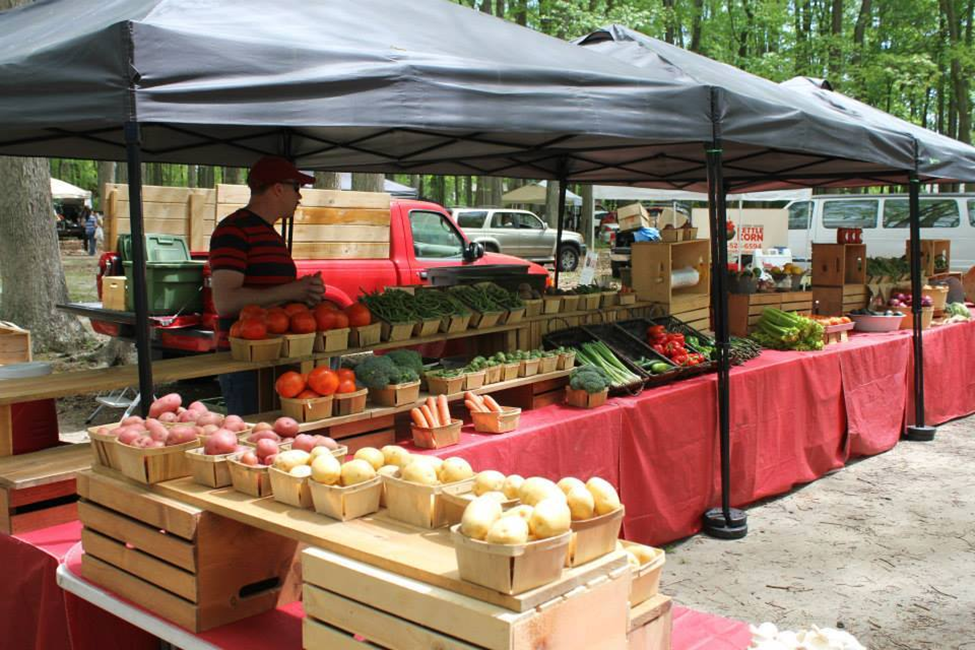
The creativity extends beyond the kitchen. Breweries, vineyards, and distilleries dot the landscape, offering tastings and tours that can easily fill a weekend. Festivals celebrate it all, from craft beverages to seafood. The J. Millard Tawes Crab and Clam Bake in Crisfield—Maryland’s largest seafood festival—draws thousands each September.
And we haven’t even mentioned the rockfish, clams, scallops, tuna, flounder, shrimp, and local lobster brought in daily from the Bay and Atlantic waters. In West Ocean City’s working harbor, you can watch boats unload their catch before dining nearby on seafood that was swimming just hours earlier.
.png "image(1).png")
Whatever your tastes, the Lower Eastern Shore offers a culinary journey as layered as Smith Island Cake. Along the way, you may find yourself equally captivated by the region’s natural beauty, cultural traditions, and enduring history. The best way to get going on planning an itinerary is at this site: https://www.beachesbayswaterways.org/
Excerpt by Jim Duffy